Pierre-Yves Cousteau’s Journey to Galapagos

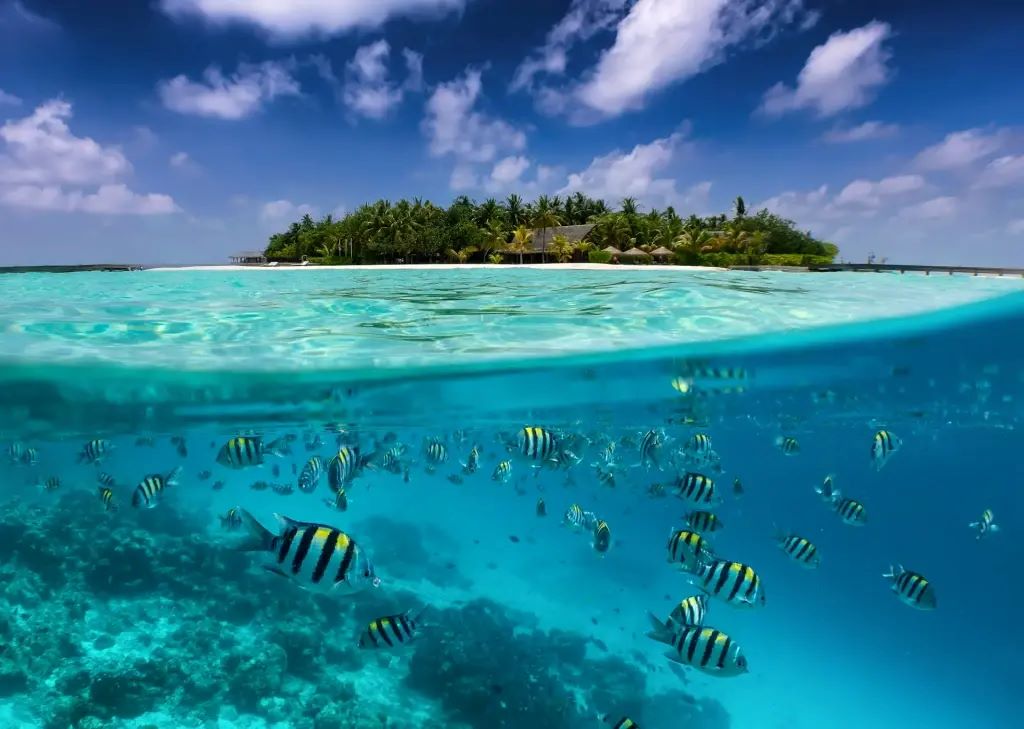
The Galapagos… the word itself is enough to inspire awe and make you think of an iguana. Far from the agitations of society, smack on the equator, these islands have always hosted incredibly rich and diverse marine life. It’s also home to the only penguins of the northern hemisphere. It’s awesome.
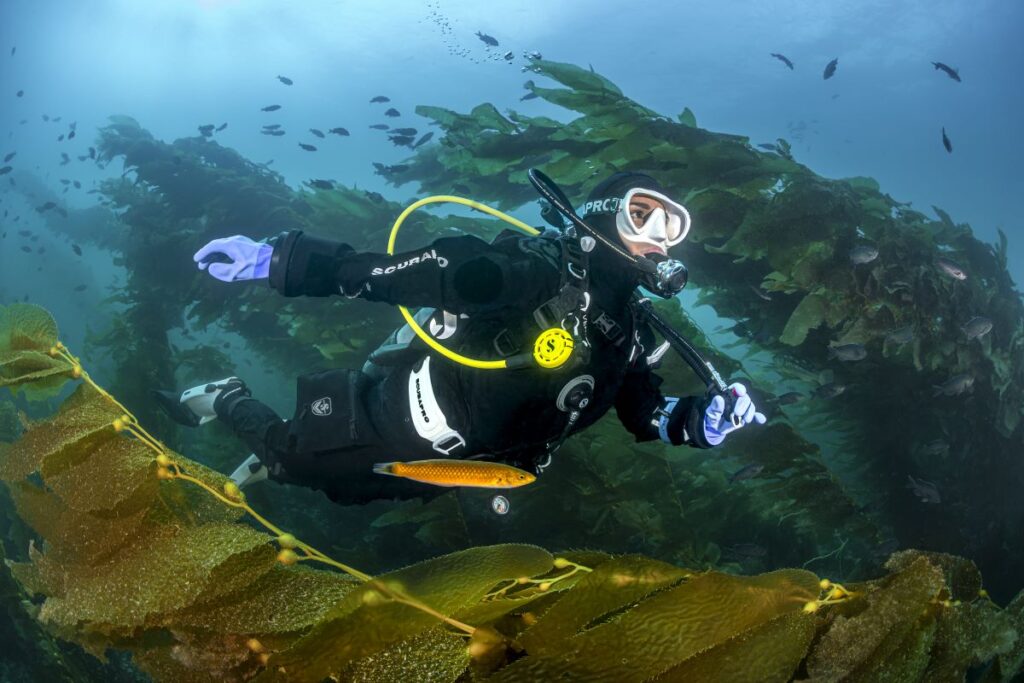
People come from all over the world to visit its islands and see its birds, to feel its terrestrial wilderness and contemplate its history. Little do they know… the incredibly lush and diverse marine life that lies just beneath the surface of its waters. People who don’t dive are missing out on 75% of the planet! Do it.
I tied up the loose ends at my job as marine program officer at IUCN and set up the out-of-office reply with a smile… I love my work there, it’s stimulating and useful. But sometimes it’s good to be reminded of why you do what you do. Equipment is tested, bags are packed. Soon I’ll be flying across the world to one of this planet’s last sanctuaries of marine life, and birthplace of evolutionary biology. The Galapagos… I’ll be there for three full weeks, two of which will be at sea.
This is my second trip to the Galapagos with Waterproof Expeditions. During the first expedition, in 2012, I was shooting pics and video for Cousteau Divers and engaging the divers on-board to collect their observations with our citizen-science divelogs, developed with the help of Dr. Rebecca Klaus. This time, I will be adding the protocols of Project Hermes, a new feature of Cousteau Divers I launched in 2015, with the help of over a hundred donors, to reveal the temperature of the ocean using dive computers.
This year though, it’s El-Niño… and that usually spells trouble for the marine life of these islands. This cyclical weather event happens every several years and is characterised by an increase in sea temperatures and reduction of marine currents that bring nutrients to the surface, impairing the primary production of algae. But scientists are saying this one could be the strongest ever seen. Previous such events have been known to devastate marine life and the animals that depend on it like penguins and iguanas.
Will we witness the difference between 2012 and today’s El-Niño-menaced Galapagos? Will the citizen-science protocols deployed at the time and during this trip by Cousteau Divers help better understand the phenomenon? Will hungry sharks be more curious than usual? I can’t wait to find out. In the context of climate change and generally warming ocean temperatures, something as normal as El-Niño could take unprecedented proportion.
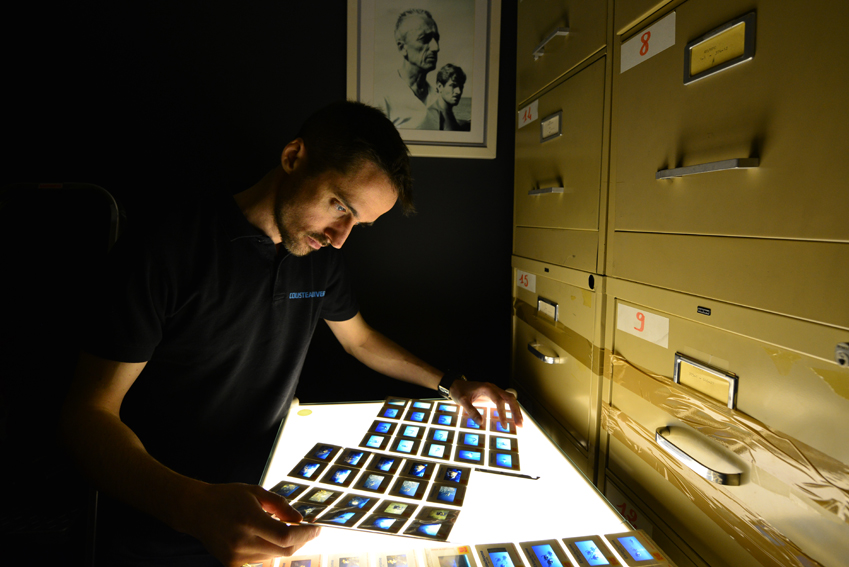
My father and his teams filmed the marine life of the Galapagos in 1971. A few days ago, I dove into the Cousteau archives in search for photos of the expedition to help reveal the difference, the impact that the powerful El-Niño events of 1982 and 1997 had on the marine life. I did not find anything conclusive, but I will resume my research when I return, armed with new images from the trip.
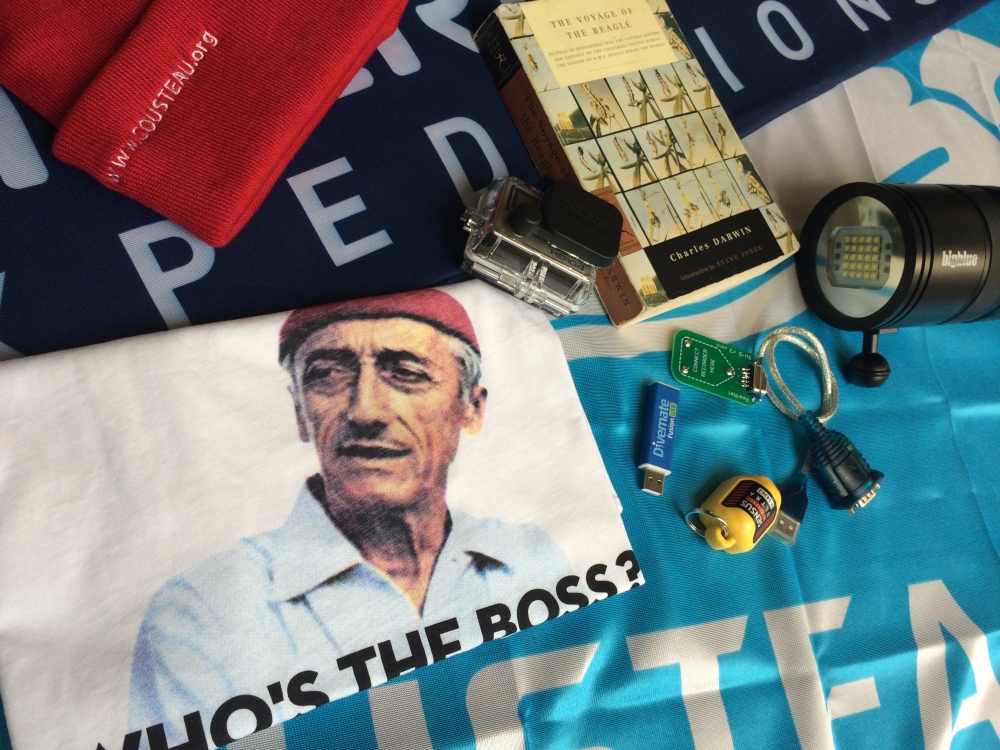
On this trip I will be shooting photos and videos using my friend and mentor Manu San Felix’s D800 and Hugyfot housing as well as a ridiculously useful GoPro (I can’t imagine what my father would have done if those had been around in his day). For lighting I have two small but efficient strobes and two incredibly powerful Big Blue lights (15k lumens each). For Project Hermes, we will be uploading temperatures from our dive computers, testing the Divemate Fusion for mobile integration and deploying a Sensus Ultra, which is a good calibration instrument, given the error margins of dive computers. We will also be using the same divelog methods we used in 2012. I’ve brought along a very small and cheap drone for areal filming… yes I know there is a 92% probability that I will crash it, but I might get some good footage beforehand.
My friend Steve Romano is joining the first week. He does amazing super high-speed video and hopes to catch some diving birds in action. He said something about bringing along a Virtual Reality camera too… more on that in the next post. I’ve also heard that the president of Ecuador is planning to declare a new status for the Galapagos marine sanctuary… which could be signed next week? I’ve learned quite a bit about the challenges of setting these up from my job at IUCN and my work in Santorini, Greece. Let’s see.
I know we’re in for a treat. And I count on the uncertainty that characterises exploration to amaze us and reveal new mysteries of the sea. In the heart of the ocean I find new energy, new hope, new awe. I feel at home beneath the surface, more than anywhere, and I look forward to taking you on a guided tour.
www.waterproof-expeditions.com
For more blogs from Pierre-Yves Cousteau, visit cousteaudivers.wordpress.com.